

The History of the Black Natural Hair Movement Origins
- authortashapump
- Dec 15, 2025
- 4 min read
There is a story woven into every strand of natural hair. It is a story of resilience, pride, and identity. When I think about the journey of embracing natural hair, I see more than just a hairstyle. I see a movement - a powerful declaration of self-love and cultural affirmation. The natural hair movement origins are deeply rooted in history, culture, and the fight for freedom. This is a story that pulses with rhythm, echoing through generations, inviting us all to listen and learn.
The Roots of the Natural Hair Movement Origins
The roots of the natural hair movement stretch far back, tangled in the history of Black people across continents. Hair has always been more than just hair in Black culture. It is a symbol, a language, a crown. From the intricate braids of African tribes to the bold afros of the 20th century, hair has carried meaning and identity.
In the early 1900s, Black hair was often seen through the lens of Eurocentric beauty standards. Straightening and relaxing hair became common as a way to fit into a society that prized European features. But beneath the surface, a quiet resistance was growing. Women and men began to question why their natural hair was seen as less beautiful or professional.
This questioning sparked a movement - a reclaiming of identity and pride. The natural hair movement origins are not just about hair care; they are about self-acceptance and cultural celebration. It is about saying, I am enough, just as I am.

What was the black hair movement in the 1960s?
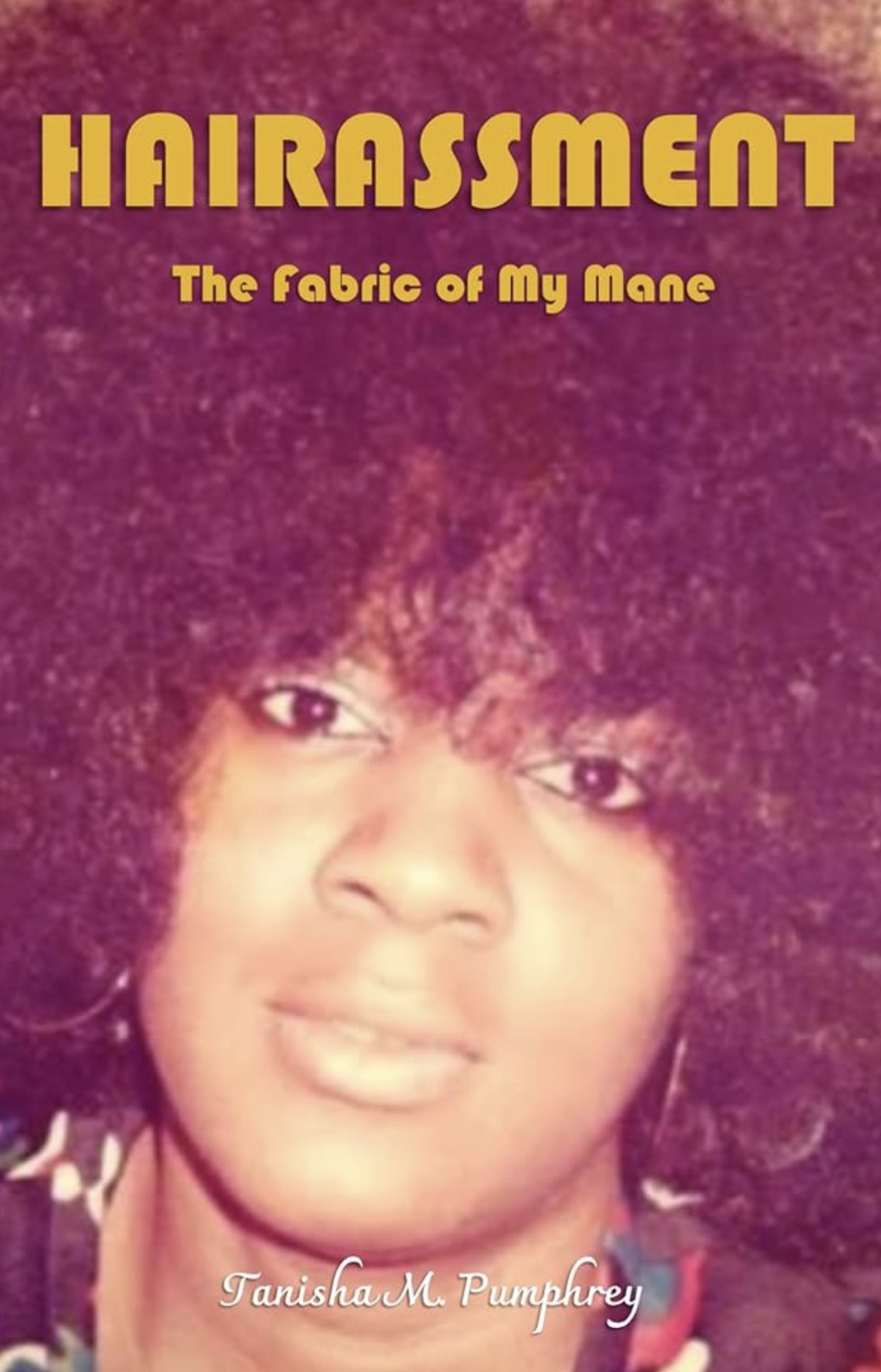
The 1960s were a pivotal decade for the natural hair movement. This was the era of civil rights, Black power, and cultural awakening. Hair became a political statement. The afro, once seen as rebellious or unkempt, transformed into a symbol of pride and resistance.
Activists and artists wore their hair naturally to challenge the status quo. The afro was a bold, beautiful declaration that Black was beautiful. It was a refusal to conform to oppressive beauty standards. This movement was about more than style; it was about identity, dignity, and empowerment.
During this time, natural hair salons became community hubs. They were places where people shared stories, exchanged ideas, and nurtured pride in Black culture. The movement inspired a generation to embrace their roots and reject the pressure to assimilate.
The Evolution of Hair Care and Representation
As the natural hair movement grew, so did the need for products and representation that honored natural textures. For decades, Black hair care was overlooked or misunderstood by mainstream brands. But the movement sparked innovation and entrepreneurship.
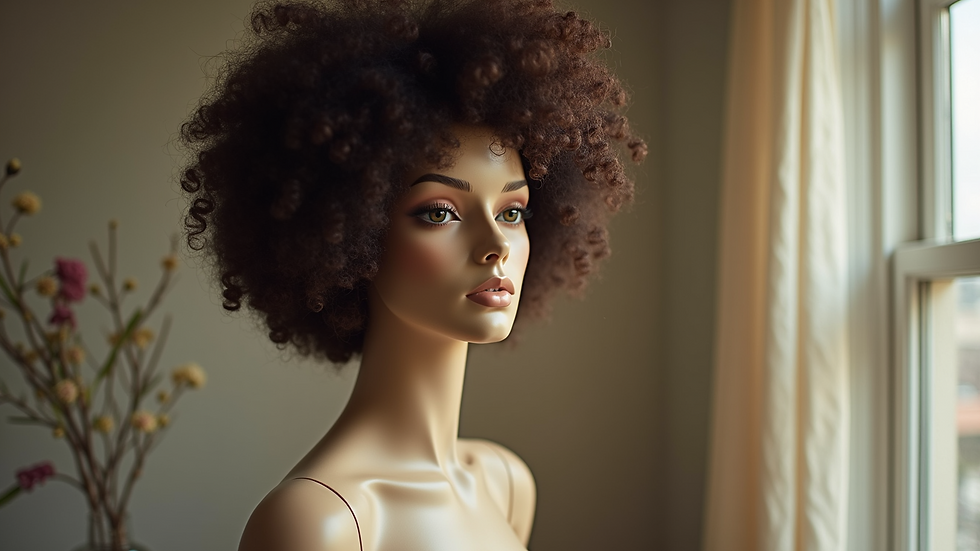
Today, there is a flourishing market of natural hair products designed specifically for curls, coils, and kinks. Ingredients like shea butter, coconut oil, and castor oil are celebrated for their nourishing properties. This shift has empowered individuals to care for their hair in ways that respect its unique needs.
Representation in media and fashion has also evolved. Natural hair is no longer hidden or stigmatized. It is celebrated on runways, in magazines, and on screens worldwide. This visibility helps dismantle harmful stereotypes and encourages more people to embrace their natural beauty.
Embracing the Movement Today: Practical Tips
Embracing your natural hair is a journey, one that requires patience, care, and confidence. Here are some practical tips to help you along the way:
Understand Your Hair Type - Learn about your curl pattern and texture. This knowledge helps you choose the right products and styles.
Moisturize Regularly - Natural hair thrives on moisture. Use leave-in conditioners, oils, and deep conditioning treatments.
Protect Your Hair - At night, use satin or silk scarves and pillowcases to reduce breakage.
Avoid Harsh Chemicals - Steer clear of relaxers and harsh treatments that can damage your hair.
Experiment with Styles - From twists to braids to afros, find styles that make you feel confident and comfortable.
Connect with Community - Join natural hair groups or forums to share experiences and tips.
Remember, your hair is a living expression of your identity. Treat it with love and respect.
The Movement’s Impact on Identity and Empowerment
The black natural hair movement is more than a trend. It is a powerful force that challenges societal norms and redefines beauty standards. It empowers individuals to embrace their authentic selves and reject the pressure to conform.
For many, natural hair is a journey of self-discovery and healing. It reconnects us to our heritage and roots. It fosters confidence and resilience in the face of discrimination and bias.
This movement has also sparked important conversations about race, culture, and identity. It invites us to reflect on how beauty standards shape our perceptions and how we can create a more inclusive world.
Carrying the Legacy Forward
The history of the natural hair movement is a testament to the strength and spirit of a community that refuses to be silenced. It is a legacy of courage, creativity, and pride. As we move forward, it is our responsibility to honor this legacy by continuing to celebrate and uplift natural hair.
Whether you are just beginning your natural hair journey or have been walking this path for years, remember that you are part of something bigger. Your hair tells a story - a story of freedom, beauty, and empowerment.
Let us wear our crowns with pride, knowing that every curl and coil is a symbol of our history and our future.
Embrace your natural hair. Celebrate your roots. Stand tall and shine bright. The movement is alive, and it lives in you.


Comments