

The Rise of the Black Natural Hair Movement: A History of Black Hair Activism
- authortashapump
- Jan 5
- 4 min read
There is a story woven into every strand of black hair. It is a story of resilience, identity, and unapologetic beauty. For too long, black hair has been misunderstood, misrepresented, and marginalized. But today, it stands tall, proud, and free. The rise of the black natural hair movement is not just a trend; it is a powerful declaration of self-love and cultural pride. It is a movement that challenges societal norms and reclaims the narrative around black hair.
The Roots: Understanding the History of Black Hair Activism
To truly appreciate the power of the black natural hair movement, we must first dig deep into the roots of black hair activism. This history is rich with courage and defiance. It stretches back centuries, from the days of slavery when hair was a symbol of identity stripped away, to the civil rights era when hair became a political statement.
Black hair activism has always been about more than just aesthetics. It is about resisting oppression and embracing heritage. Activists and everyday people alike have fought against discriminatory policies that targeted natural hair in schools and workplaces. They have challenged beauty standards that favored Eurocentric features and textures. This activism has paved the way for a new generation to wear their hair naturally without fear or shame.

What was the black hair movement in the 1960s?
The 1960s marked a pivotal chapter in the history of black hair activism. It was a decade of revolution, not just politically but culturally. The black hair movement of the 1960s was a bold, beautiful rebellion against the pressure to conform to white beauty standards.
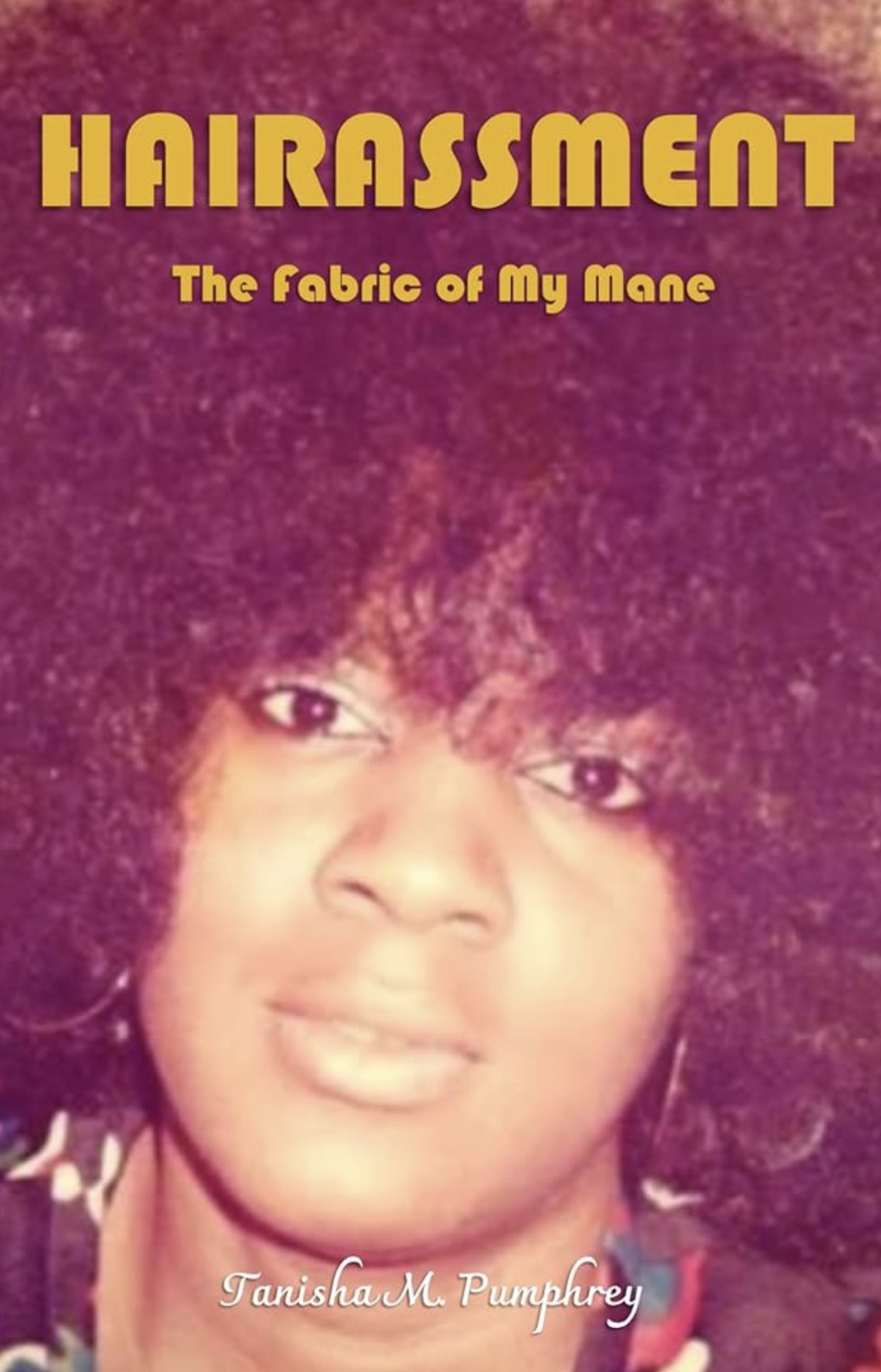
Afros became a symbol of black pride and empowerment. They were more than just hairstyles; they were crowns worn with dignity. Icons like Angela Davis and the Black Panther Party popularized the afro as a statement of resistance and self-acceptance. This era saw black hair transformed from a source of shame into a beacon of strength.
The movement also sparked conversations about identity and self-worth. It encouraged black people to embrace their natural textures and reject harmful chemical relaxers. This shift was revolutionary, planting seeds for the future growth of the natural hair movement.
The Modern Wave: Embracing Natural Beauty Today
Fast forward to today, and the black natural hair movement has blossomed into a vibrant, global phenomenon. Social media platforms are flooded with images and stories celebrating natural hair in all its glorious forms - coils, curls, kinks, and waves. This movement is about reclaiming beauty on one’s own terms.
What makes this movement so powerful is its inclusivity and accessibility. Anyone can join the conversation, share their journey, and find community. Natural hair care has become a booming industry, with products designed specifically to nourish and celebrate black hair textures.
Here are some practical ways to embrace and care for natural hair:
Moisturize regularly - Natural hair thrives with moisture. Use water-based leave-in conditioners and oils like coconut or jojoba.
Protect your hair at night - Silk or satin scarves and pillowcases reduce breakage and retain moisture.
Avoid harsh chemicals - Embrace your natural texture by steering clear of relaxers and harsh straighteners.
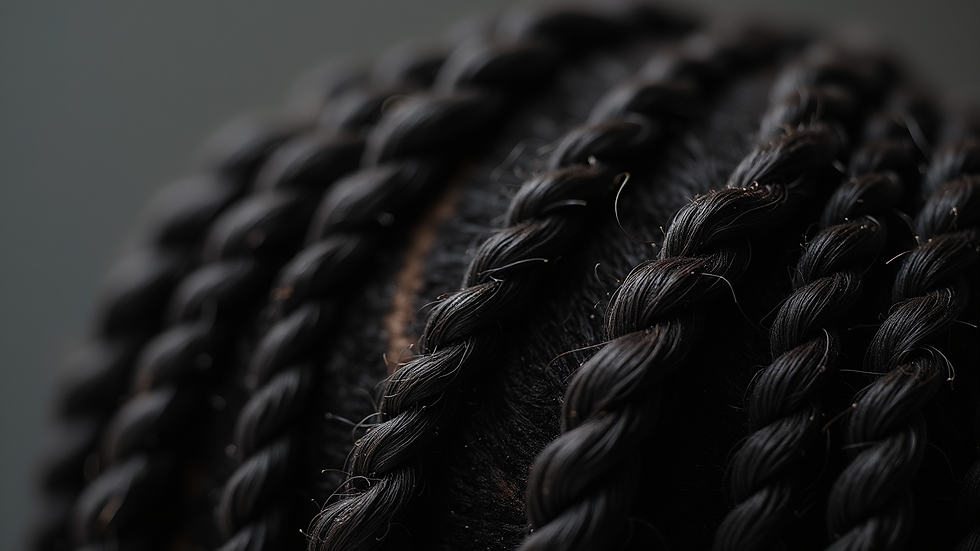
Experiment with styles - From twists and braids to wash-and-go, find what makes you feel confident.
Educate yourself - Learn about your hair’s unique needs and history to deepen your connection with it.

The Cultural Impact: More Than Just Hair
The black natural hair movement is a cultural renaissance. It challenges stereotypes and reshapes perceptions. Hair is deeply tied to identity, and by embracing natural hair, black people are reclaiming their stories and histories.
This movement has influenced fashion, music, and art. It has sparked important conversations about race, beauty, and acceptance. Schools and workplaces are slowly adapting, with policies becoming more inclusive of natural hairstyles. This progress is a testament to the power of collective voice and activism.
Moreover, the movement fosters self-love and confidence. It encourages individuals to see their hair as a source of pride, not a problem to be fixed. This shift in mindset is transformative, empowering people to stand tall and shine unapologetically.
Moving Forward: Continuing the Journey of Empowerment
The journey of black hair activism is far from over. There are still battles to fight and barriers to break. But the momentum is undeniable. The rise of the black natural hair movement has opened doors for future generations to embrace their authentic selves without compromise.
As we move forward, it is essential to:
Support black-owned hair care brands that honor and celebrate natural hair.
Advocate for inclusive policies in schools and workplaces.
Educate others about the history and significance of black hair.
Celebrate diversity within the black hair community, recognizing all textures and styles.
Continue sharing stories that inspire and uplift.
This movement is a living, breathing testament to resilience and beauty. It is a call to action to love ourselves fiercely and demand the respect we deserve.
In the end, black hair is not just hair. It is a crown, a statement, a legacy. It is the rhythm of our roots and the melody of our future. And as we wear it proudly, we write a new chapter in the history of black hair activism - one filled with hope, strength, and unshakable pride.


Comments